
Why Facebook Groups Can Be Amazing For Apartment Communities (And Who Should Run One)
Organic reach on Facebook for businesses is dead. Or close to it.
According to Hootsuite, the average organic reach of a post on Facebook is around 5.2%. Just one out of twenty of your fans on your page sees an unsponsored post.
The days when you could create a page for your apartment complex or multi-family unit and actually communicate with residents? Over. The wild west days of Facebook business marketing are gone, and here’s the sheriff making his statement a few years back:
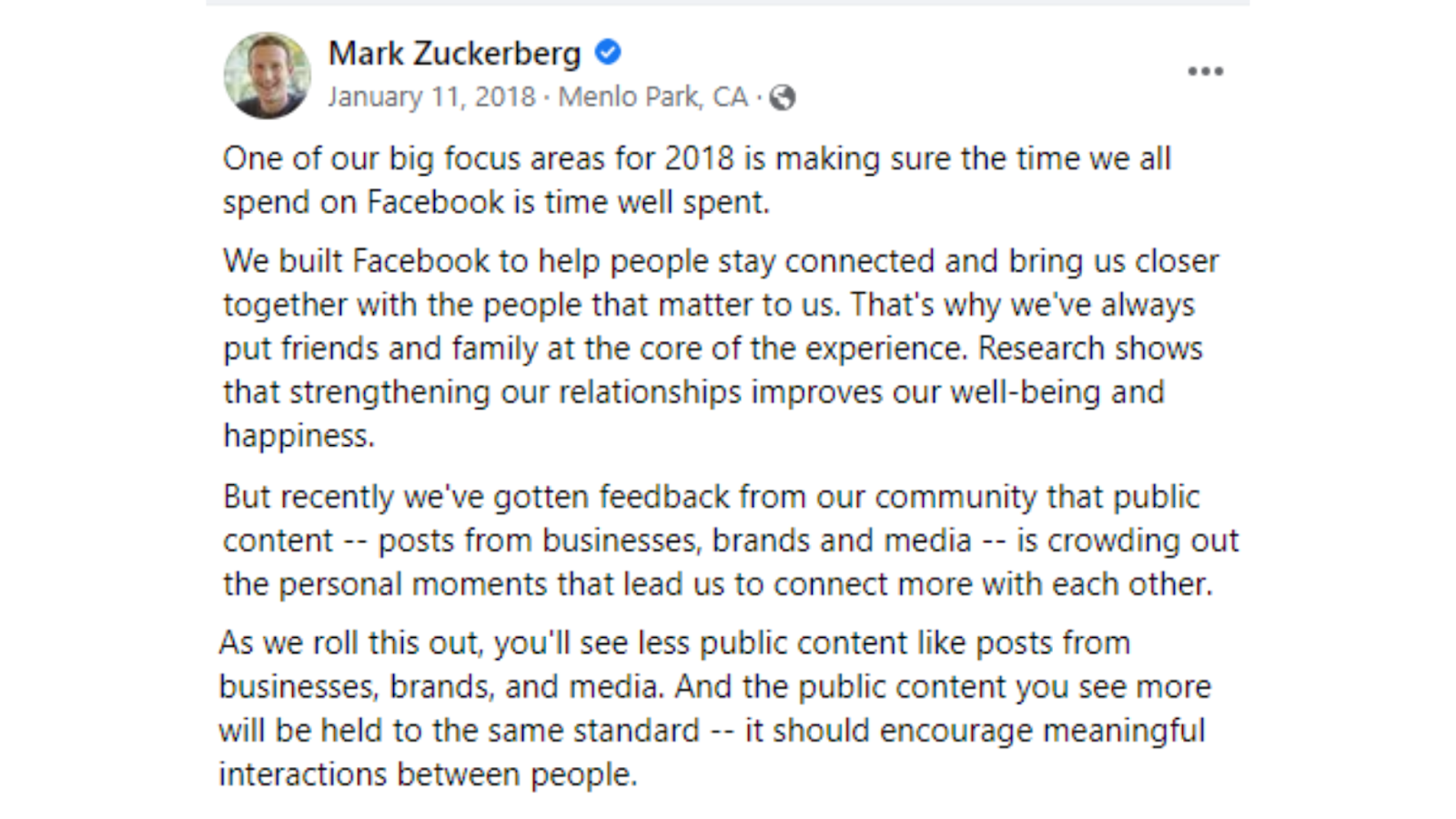
Since then, organic reach on Pages continues to plummet year over year.
But the messages you share with your tenants on social media matter and you really can’t afford to have nineteen out of twenty of them miss out on what you are telling them.
But there just might be a way to rescue your organic Facebook reach.
Lately, There’s A New Craze Sweeping Facebook Land…
You may have caught wind of it. Heck, you probably have a few forgotten invitations sitting in your notifications right now.
What’s the newest craze, you ask?
Facebook Groups.
While they have technically been around for a while, Facebook groups are the newest way to get in front of customers on Facebook and it seems like everyone is starting one lately.
They are fun, interactive, and a great opportunity to make sure your social media marketing messages don’t get lost in the abyss.
But before you get ready to hop onto the next social media marketing trend, you need to truly evaluate the pros and cons and make sure it is the right decision for your apartment community.
First, let’s make sure you understand what a Facebook group is in comparison to its companion, the Facebook Page.
What Is The Difference Between A Facebook Page And Facebook Group?
Your Facebook page is your interactive billboard. That is where you display your wares, so to speak.
Posts on your apartment’s Facebook page should showcase the personality of your complex and the staff working behind the scenes.
You can collect and showcase reviews on your Facebook page to anyone who visits it because a Facebook page is public by default.
Followers of a Facebook page can generate their own comments or comment on your posts, but the visibility of what they say is low.
No one can see who is following you on your page, it is simply listed as a number.
A Facebook Group, On The Other Hand, Serves An Entirely Different Purpose.
This is where you can cultivate a sense of community and develop fierce community loyalty among your current residents.
There are a number of group features that differ from a Facebook page that are important for building a community.
When group members share something in the group, it enters the feed and is viewable by all other members. Residents can comment on each other’s posts, allowing them to form relationships with other members easily.
Members can see who else is a member, making it easier to connect.
Everything that is shared in the group remains private if you have the privacy settings turned on.
The two tools serve entirely different purposes, so the question is this…
Is It Better For Your Apartment Community To Have A Page Or A Group On Facebook?
If you are a business in the modern era, you need to have a Facebook page. When a potential resident is researching your community and deciding whether or not they want to live there, many will look to see if you are on Facebook. What you post on Facebook is a “sneak peek” into what it’s like to live there.
If you don’t have a Facebook page showcasing your property on Facebook, you could lose leases to your competition.
So, instead of asking yourself whether it is better to have one or the other… why not both?
The best way to decide whether or not you should embark on a new social media adventure is to be armed to the teeth with information. Only then can you ensure if it is a good choice for you and the community you serve.
Are Facebook Groups A Good Idea For My Community?
Facebook groups are a great idea if you want to create a sense of community with your residents. If you are in charge of social media for an apartment complex or multi-family building, the answer is a resounding YES!
One of the biggest benefits of a group is going to be the ability to communicate with current residents in a way that you cannot do via any other channel. Not only do groups have great organic reach, but they also encourage a lot of engagement.
Starting a Facebook group is a good idea for most. But it isn’t going to be a good fit for every community.
What Are The Benefits Of Facebook Groups?
Facebook groups are great because they have a ton of organic reach right now. That means that they are an easy and efficient way to connect with the members of your apartment community.
1) You can organize community events, remind people about upcoming specials, send out reminders when rent is due soon, and share fun things about staff members and residents.
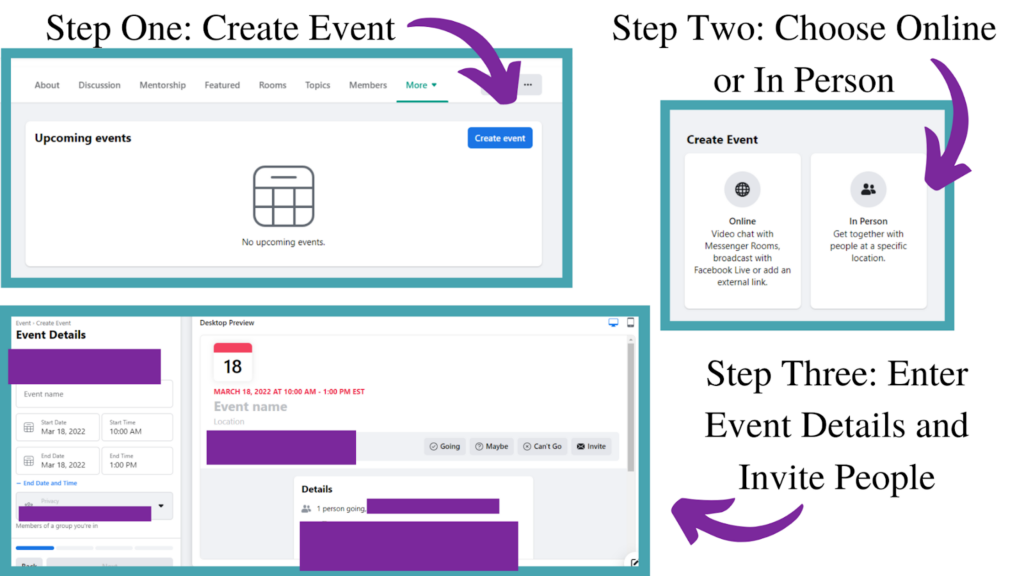
2) You can also set important posts as announcements and group members will be notified if they haven’t turned the feature off.
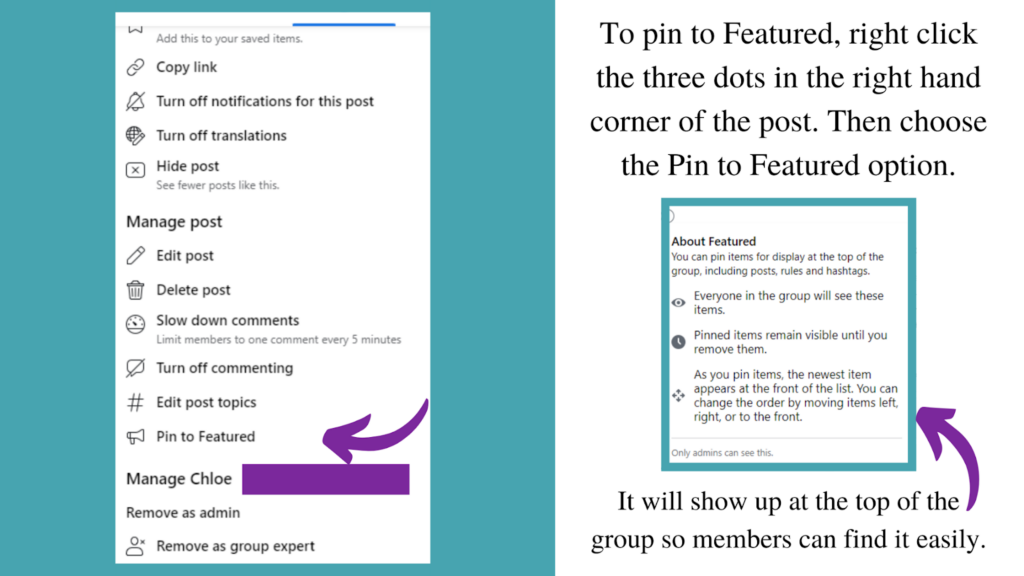
3) You can also set your Facebook group up so that it is private. That means that no one will be able to view what is shared there unless they are also a member. If you want to use the group to build a sense of community within your apartment complex, the residents will appreciate knowing that anything shared is only shared with other residents.
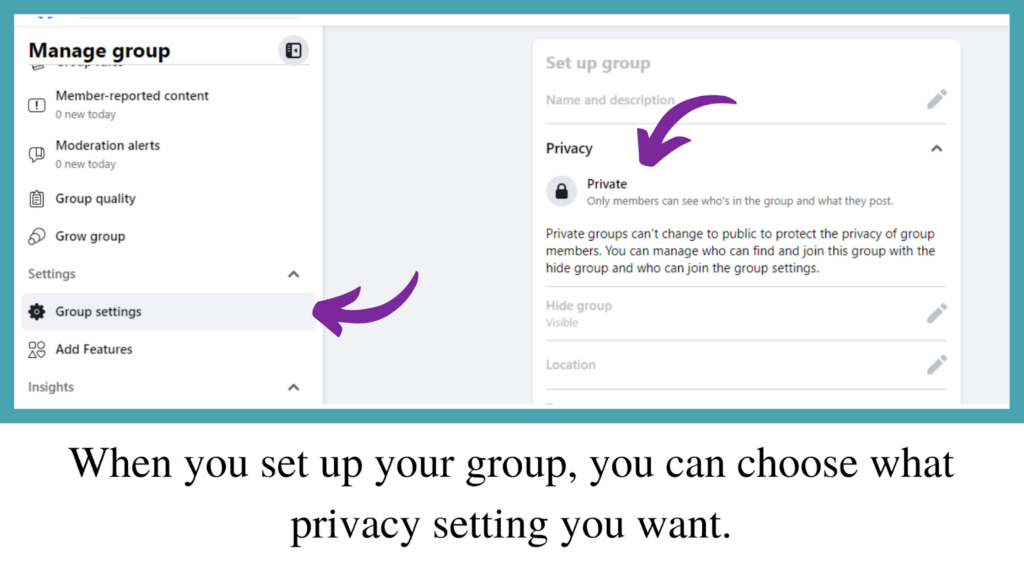
Having a Facebook group for your apartments is a great way to create a sense of community. Because any member can post in the group, your tenants can get to know each other better and form neighborly bonds.

This adds appeal to prospective tenants who are considering your apartments and gains loyalty from the people who already live there.
As you can see, there are a lot of benefits that a Facebook group can provide, not just for you, but for your apartment community as a whole. But before you hop on Facebook and get started, it’s important to consider the potential downsides as well.
What Are The Limitations Of Facebook Groups?
Now that you’re all excited about the potential benefits of a Facebook group for your apartment community, let’s pop that balloon and bring you back down to reality. While there are a lot of benefits, there are also limits.
For one, a Facebook group is a huge time commitment. Especially if you are managing a large apartment community.
You will need to moderate posts to make sure they are appropriate and fall within the group rules. People will be people.
If you do not set the group up as a secret group, you need to monitor member requests to make sure they are actually from people who live in the community. If you do make it a secret group, you will need to make sure to invite new residents. This can be done using their email address if it is attached to their Facebook account. If it is not, you will have to track them down individually to get their Facebook information so you can invite them.

Limiting membership to people currently living in the community is a good idea, but then you need to monitor when people move out so you can remove them from the group.
Then There Is The Marketing You Need To Do To Residents.
Convincing them to join, and then creating posts and events that are interesting enough that members stay involved isn’t a one-time thing.
And don’t forget that you are going to need someone to monitor the group during off-hours. Facebook groups don’t run on a 9-5, they are a 24/7 commitment where a disaster could happen at any time. When drunk Sally decides to get in a fight with her downstairs neighbor for being too rowdy at 2 am on a Saturday, it’s going to get real ugly, real fast.
You can have multiple admins and moderators to help with this, but you definitely need to have backup plans in place.
Is your head spinning yet?
There is also the risk of neighborly disputes becoming community-wide disasters. If you’ve been around Facebook for any period of time, you are aware that people are often less kind on social media than they are in real life. The last thing you want is to be dealing with a troll who is disrupting the lovely sense of community camaraderie you’ve worked so hard to create.
This can be managed by thinking carefully about the rules you establish for the group and taking care to enforce them.
How Can You Control Your Apartment’s Facebook Group?
The answer to this question will ultimately depend on a lot of factors, such as the size of your community and the atmosphere you want to cultivate in your group. But there are a few things that community managers implement across the board, probably for a good reason.
- A no politics rule is generally a good one to have. This is going to be the number one thing that causes conflict in the group if you don’t ban it.
- You should also create a policy where neighbors are not allowed to bring up things like noise complaints on the group. Make sure you clearly tell them who to go to with complaints and have a clear policy for following up to reduce the temptation to turn to Facebook.
- Having a “no bullying or hate speech” rule is also essential if you want the group to thrive.
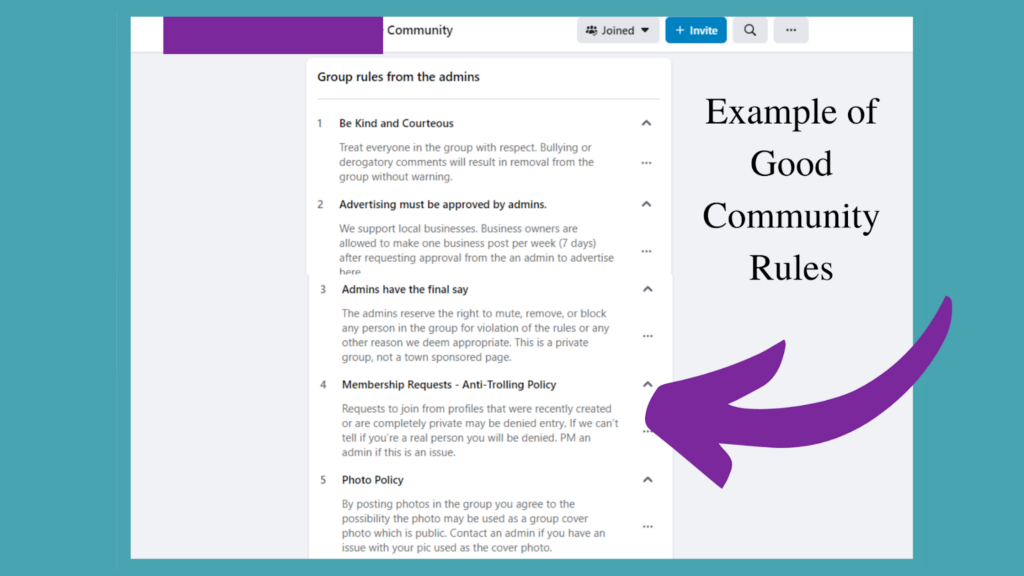
- Also think about banning the use of certain words. Facebook groups give you the ability to automatically decline posts based on certain criteria, one of which is if the post contains any words.
That Said, A Vibrant Community Facebook Group Can Make Residents Want To Stay.
The decision for whether or not you should create a Facebook group for your apartment community is nuanced, as is everything with social media marketing.
Ultimately, you need to evaluate whether or not you have the time to devote to it if the community of people living in your complex will be interested in it, and whether or not there is a risk of it causing more harm than good.
But done well, a well-run Facebook group for your apartment community can be one of the most effective methods to utilize Facebook.
Want to learn more about marketing your apartments on Social Media? We are here to help.